
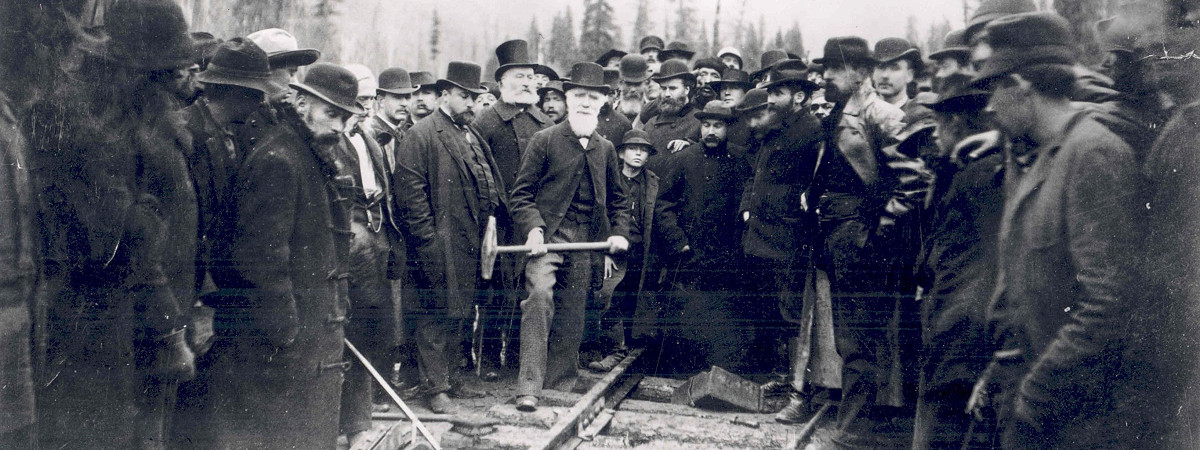
Sandford Fleming
1827 – 1915
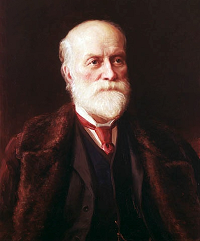
Sir Sandford Fleming, Civil Engineer, and the pioneer of Universal Standard Time
Engineering Achievements
Leading railway engineer in Canada and promoter and first Chief Engineer of The Canadian Pacific Railway which was to be instrumental in creating a viable nation.
Promoter of the Pacific Cable, which transformed Canada’s communication connections.
Devised and promoted the 24-hour clock and time meridians.
His Life
-
1827 Born on 7 January in Kirkcaldy, Fife to Andrew Greig Fleming, cabinet maker and Elizabeth Arnot. Registered as Sanford Fleming.
-
1841 Age: 14 Apprenticed to John Sang, civil engineer and surveyor in Kirkcaldy
-
1845 Age: 18 Emigrated on 24 April to Canada with older brother David on the "Brilliant" from Broomielaw, Glasgow
-
1849 Age: 22 Qualified as a surveyor in Canada. Created a society of civil engineers, surveyors and architects which became the broader (Royal) Canadian Institute in 1850
-
1851 Age: 24 Designed the 'Threepenny Beaver', the first postage stamp for the Province of Canada (today's southern portions of Ontario and Quebec), which has been used on seven stamp issues – in 1851, 1852, 1859, 1951, and 2001.
-
1852 Age: 25 Assistant on the Ontario, Simcoe & Huron Railway
-
1855 Age: 28 Appointed Engineer for the line, renamed the Northern Railway
-
1855 Age: 28 Married Jeannie Hall in Toronto (with whom he was to have six children)
-
1862 Age: 35 He submitted to the Government of Canada a plan for an Inter-Colonial railway connecting Halifax with Quebec with observations on connecting the Atlantic and Pacific oceans within British territory.
-
1863 Age: 36 Completed the Northern Railway in January and resigned
-
1864 Age: 37 Appointed Chief Railway Engineer by the government of Nova Scotia and charged with the construction of a line from Truro to Pictou.
-
1867 Age: 40 Appointed engineer-in-chief of the Intercolonial Railway which became a federal project and he continued in this post until 1874.
-
1871 Age: 44 Appointed chief engineer of the Canadian Pacific Survey organising 13 parties of approx 40 surveyors.
-
1872 Age: 45 In April, he selected a route for the Canadian Pacific Railway, adopting Walter Moberley's survey of the Yellowhead Pass across the Rockies. Travelled the route in July.
-
1873 Age: 46 Director of the Canadian Pacific Railway Co.
-
1875 Age: 48 First contracts for the CPR were let in early 1875
-
1877 Age: 50 Granted leave to attract finance and contractors in Britain
-
1878 Age: 51 On 20 May issued invitations to tender to build and operate the CPR from Ontario to the Pacific.
-
1878 Age: 51 General Election in September results in change of government from Liberal to Conservative
-
1879 Age: 52 Presented two papers to the Canadian Institute on time reckoning and a Prime Meridian
-
1879 Age: 52 First suggested a Pacific Cable, recorded in his 1880 Report on the CPR
-
1880 Age: 53 On 22 May, replaced as Chief Engineer of the CPR by Schreiber, with compensation of $30,000 and retained as a consultant
-
1880-1915 Age: 53 Chancellor of Queen's College (now University) in Kingston, Ontario for his last 35 years. His inaugural address made a powerful case for putting science at the centre of university education.
-
1881 Age: 54 Paper to American Society of Civil Engineers led to a committee to consider 5 standard time zones across North America
-
1883 Age: 56 American railroads adopted the standard time zones
-
1884 Age: 57 He became a director of the Canadian Pacific Railway and was present as the last spike was driven in 1885.
-
1885 Age: 58 In January, Universal Standard Time with Greenwich meridian agreed worldwide following Fleming's advocacy
-
1888 Age: 61 President of Royal Society of Canada
-
1897 Age: 70 Knight Commander of the Order of St Michael and St George
-
1900 Age: 73 After 10 years of his international advocacy, congresses and meetings, a contract for a British Empire Pacific Cable funded by Australia & New Zealand (1894), Cape Colony (1895) and finally British Government (1899)
-
1915 Age: 88 Died on 22nd July in Halifax, Nova Scotia, Canada
Legacy
His insistence on building railway bridges of iron and stone instead of wood was controversial at the time, but vindicated by their resistance to fire.
Designated a Canadian National Historic Person in 1950.
Honoured on two Canadian postage stamps: one from 1977 features his image and a railroad bridge of Fleming's design; another in 2002 reflects his promotion of the Pacific Cable.
Inducted into North American Railway Hall of Fame 2001.
"There can be few engineers who exercised such an influential effect on British imperial affairs in the latter part of the Victorian era". Mike Chrimes.
More Information
Fleming, Sandford (1862). Suggestions on the Inter-colonial railway and the construction of a highway and telegraph line between the Atlantic and Pacific oceans within the British territory: Respectfully submitted to the Government of Canada.
Fleming, Sandford (1879) Papers on Time-Reckoning and The Selection of a Prime Meridian to be Common to All Nations. Canadian Institute
Fleming, Sandford (1889). Time-reckoning for the twentieth century. Washington
Grant, George Monro (1873) Ocean to Ocean: Sandford Fleming's Expedition through Canada in 1872
Cotsworth, M. B. (1910) The Greatest Canadian
Burpee, Lawrence. J. (1915) Sandford Fleming: empire builder
Green, Lorne (1993) Chief engineer: life of a nation-builder – Sandford Fleming
Blaise, Clark (2000) Time Lord: Sir Sandford Fleming and the creation of standard time
Cole, Jean Murray (ed) (2009) Sir Sandford Fleming: His Early Diaries, 1845-1853
Sir Sandford Fleming by Mike Chrimes, in Biographical Dictionary of Civil Engineers. Vol 2, 1830-1890.
Stromberg, Joseph (November 18, 2011). "Sandford Fleming Sets the World's Clock". Smithsonian Magazine
Many features on the map of Canada are named after him:
- The town of Fleming, Saskatchewan (located on the Canadian Pacific Railway).
- Mount Sir Sandford, the highest mountain in the Sir Sandford Range of the Selkirk Mountains.
- Sandford Island and Fleming Island in Barkley Sound, British Columbia.
- Sir Sandford Fleming Park, a 38-hectare (94-acre) Canadian urban park in Halifax, also known as "The Dingle".
- Sandford Fleming Avenue, a street in Ottawa, home to the city's main post office.
- Sir Sandford Fleming Drive, a street in Peterborough.
-
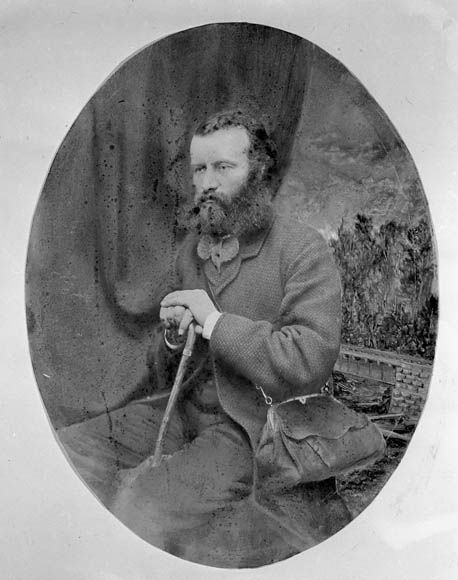
Sandford Fleming as a young man
-
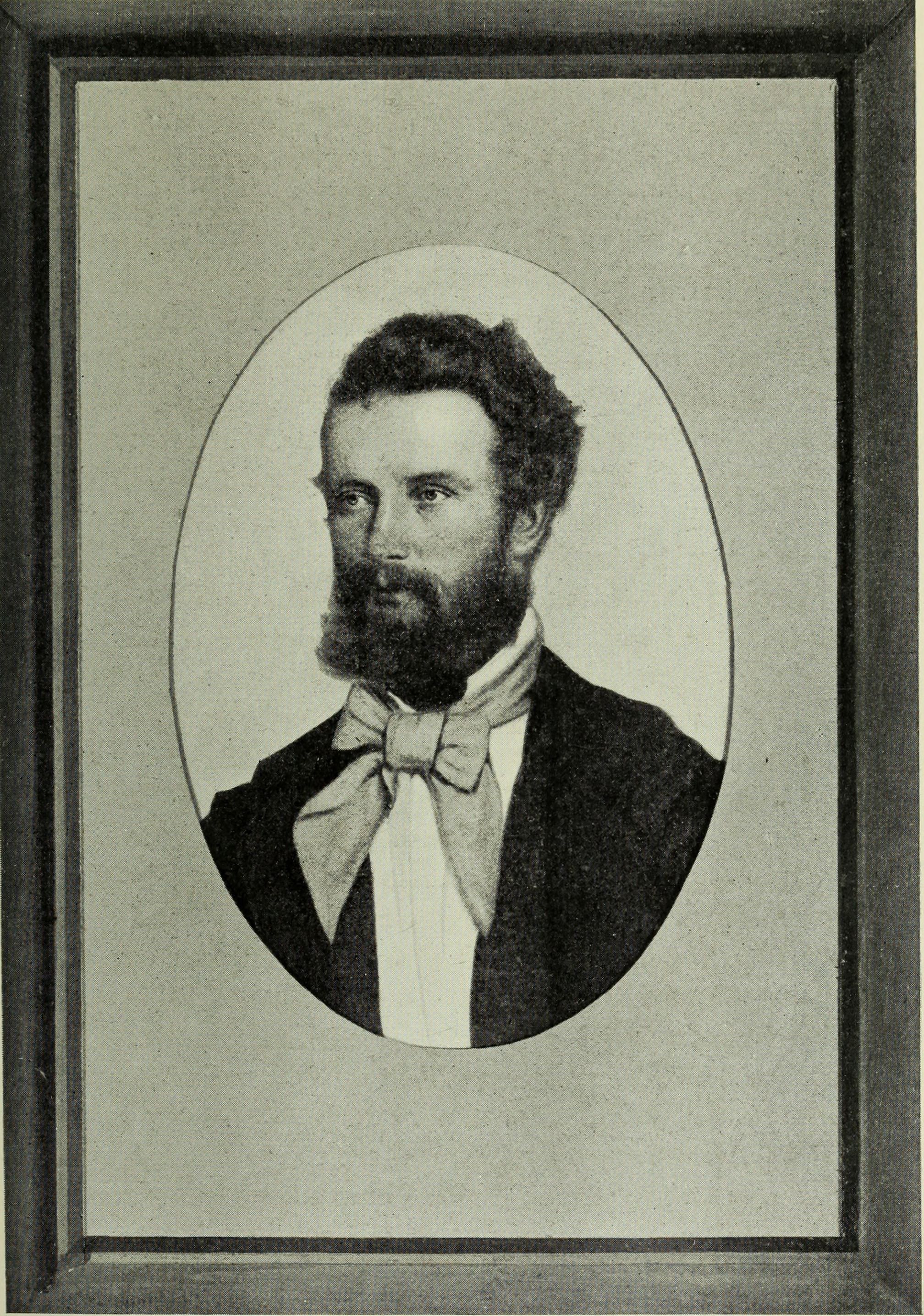
Sandford Fleming from the 1915 biography by LJ Burpee
-
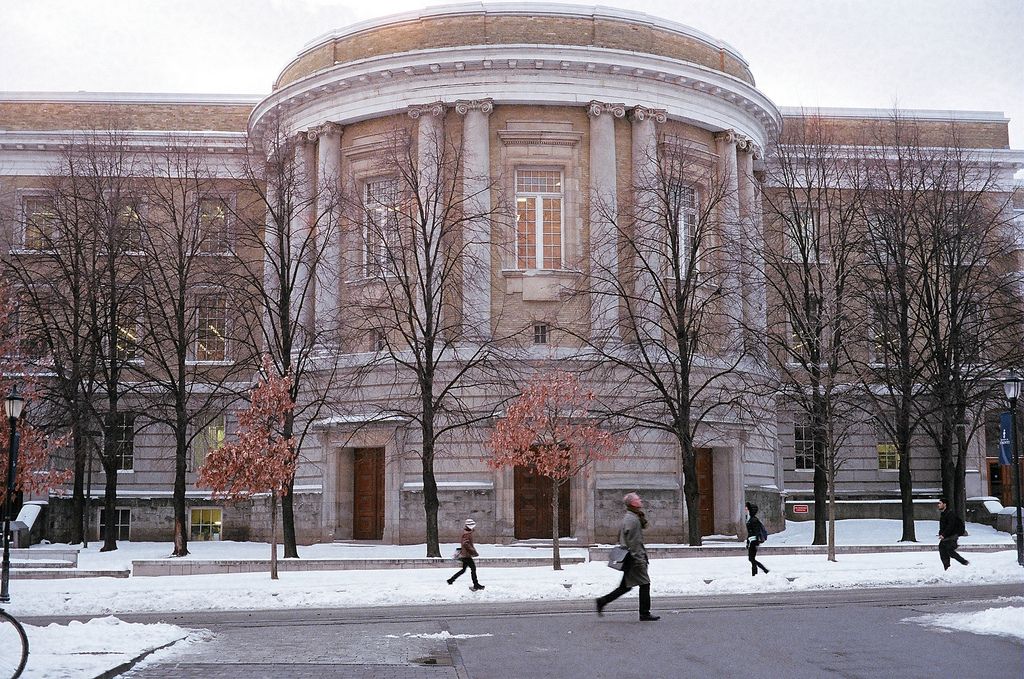
Sandford Fleming Building, Toronto
-
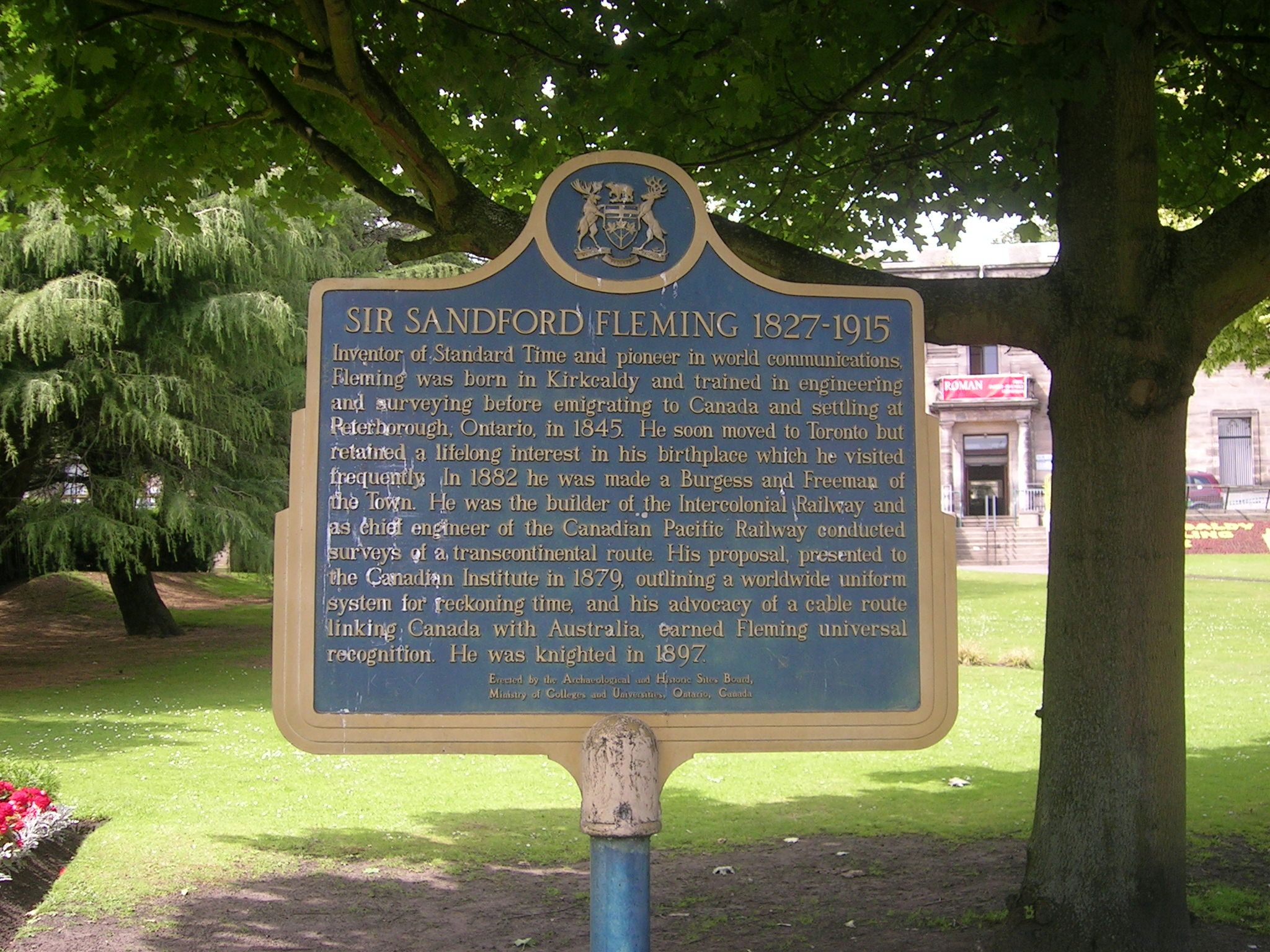
Memorial to Sandford Fleming in Kirkcaldy, Fife
-
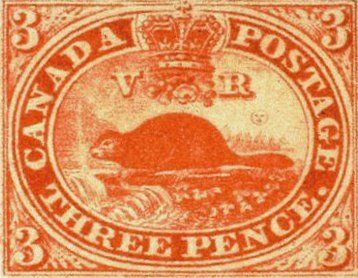
The Threepenny Beaver - Canada's first postage stamp. Designed by Sandford Fleming.